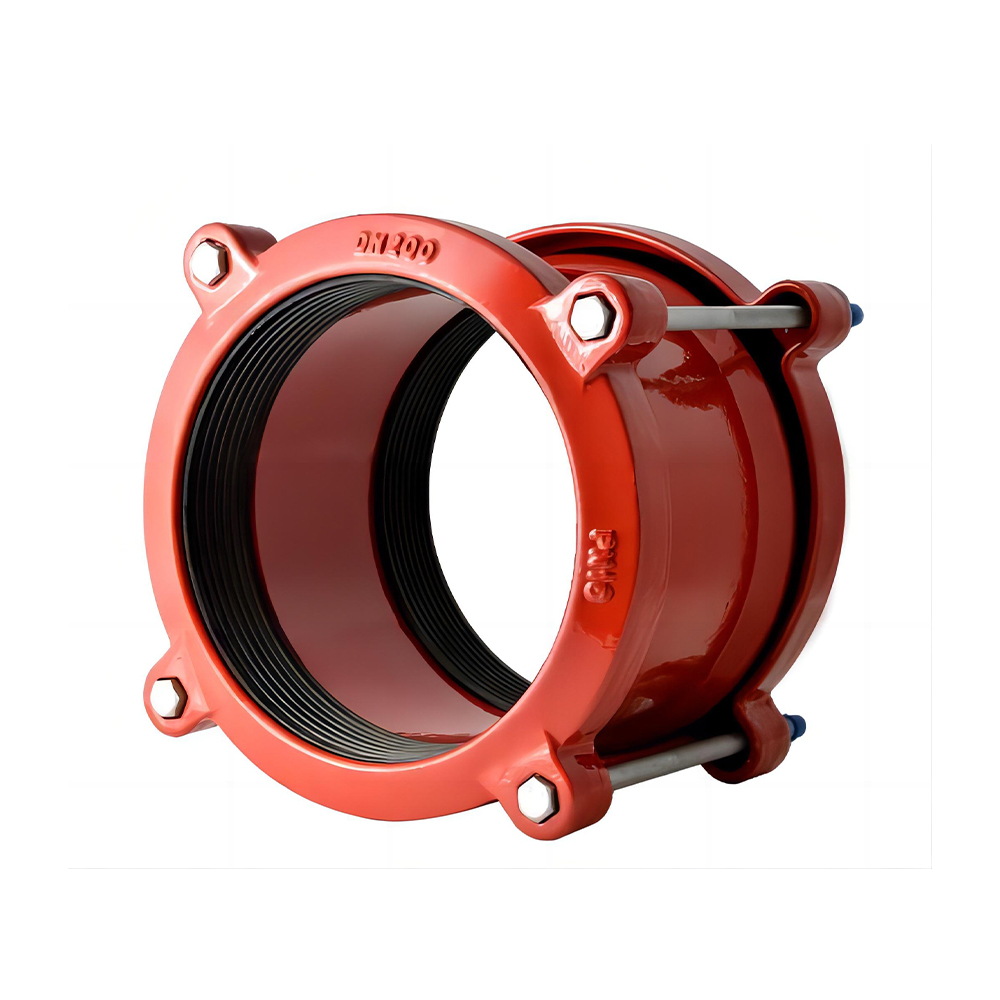
Product overview
Universal Coupling
The universal pipe coupling is the non-restrained wide-range option. It is selected from both actual pipe outside diameters and can support compatible same-material or transition joints when the piping system provides the required thrust control.
Wide-range connection for compatible plain-ended water pipes.
Technical reference
Technical basis for Universal Coupling
Reference universal coverage DN50–DN400. Reference classes PN10 and PN16. Use these points to identify the right drawing—not as a universal rating for every configuration.
- Connection
- Two plain-end compression sockets around a central sleeve
- Material basis
- Documented ductile iron or steel sleeve options with elastomer gaskets
- Reference range
- Reference universal coverage DN50–DN400
- Pressure / duty
- Reference classes PN10 and PN16
Selection focus
Four checks for this universal pipe coupling
- 1Measure and report both pipe ODs, even when nominal sizes match.
- 2Confirm both pipe materials and surface conditions.
- 3State working pressure, medium, temperature and angular alignment.
- 4Verify that anchors or other pipeline restraint are provided.
Installation notes for Universal Coupling
- This non-restrained coupling seals the joint but does not replace thrust restraint.
- The documented Universal Coupling references up to ±6° total angular allowance.
- Mark equal insertion before centring the sleeve.
Choosing Universal Coupling
Choose the universal coupling when the project needs OD flexibility and external thrust control is already designed. Compare the restrained universal coupling when axial movement must be mechanically gripped, or a pipe-specific coupling when the material and standard are fixed.
Compare all pipe couplingsCompare configurations
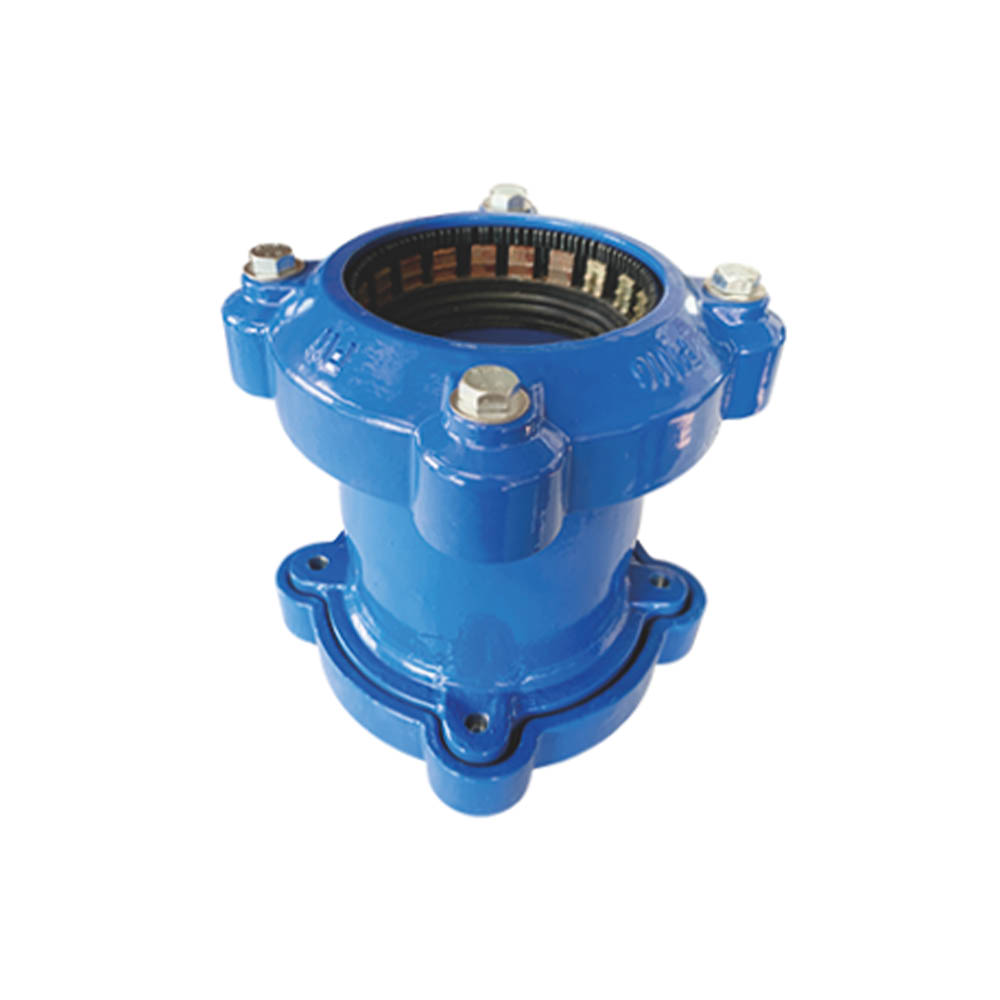
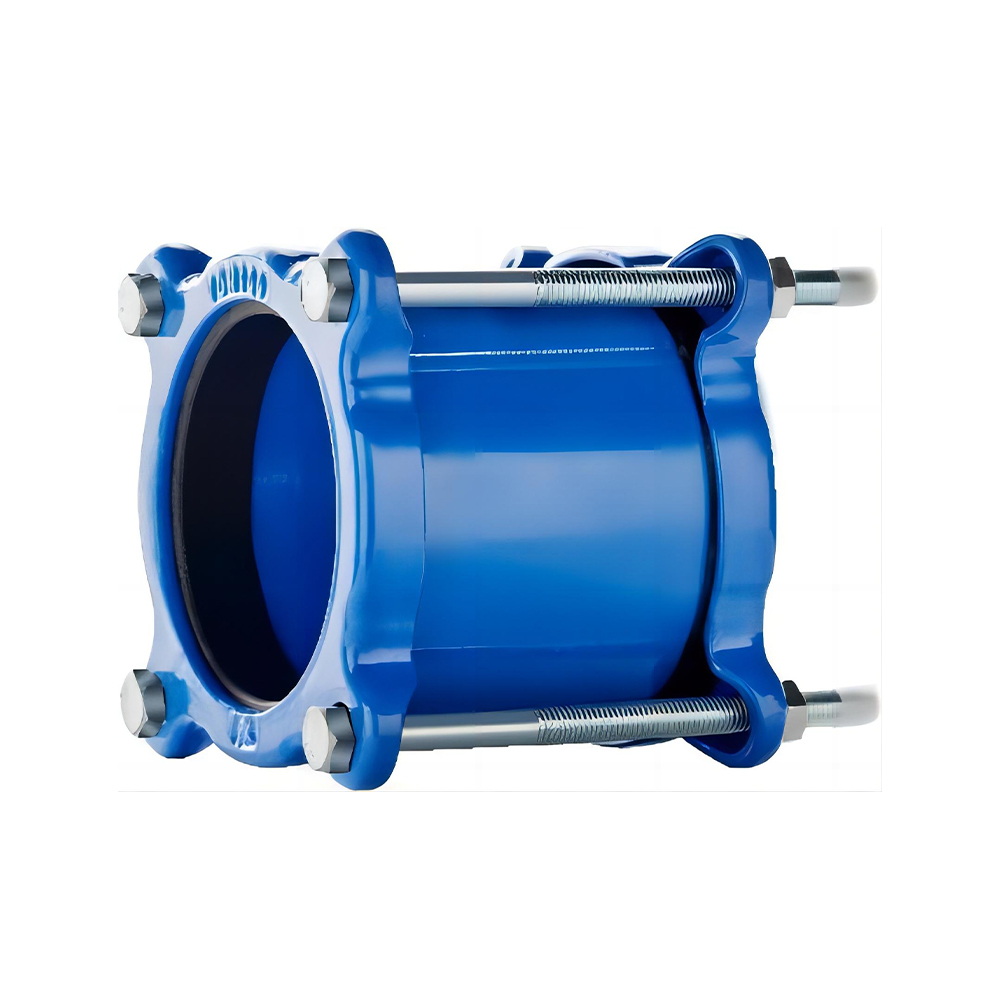
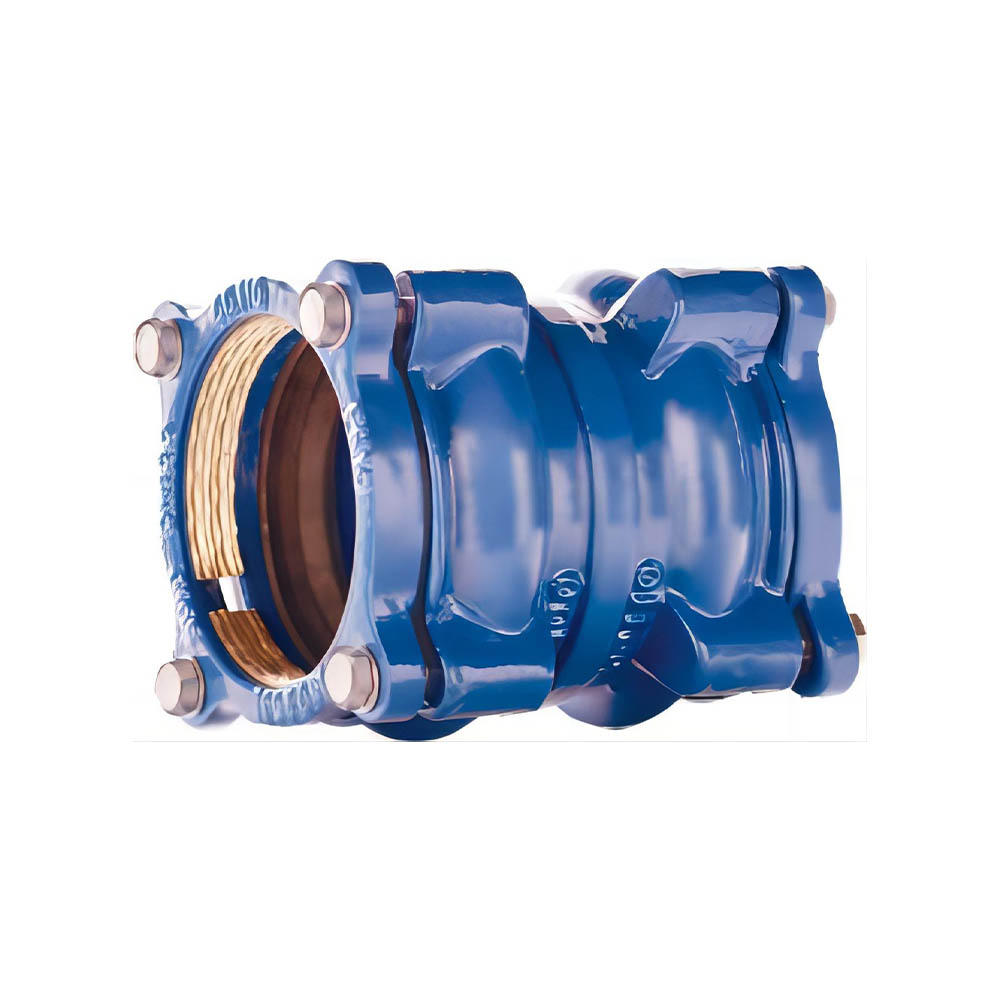
Related pipe couplings
Frequently asked questions
Universal Coupling FAQ
Can a universal coupling join pipes with different outside diameters?
It may join two compatible pipe ends when both measured outside diameters fall within the selected coupling ranges. Report each OD separately, even when the nominal pipe sizes are the same.
What is the role of angular allowance in a universal pipe coupling?
A limited angular allowance can help accommodate small alignment differences within the published range. It is not intended to correct a poorly supported pipeline or replace designed bends and anchors.
How should insertion be marked before assembling the coupling?
Prepare both pipe ends, mark the required insertion depth and centre the sleeve across the end gap. Keep the pipe axes aligned and tighten the glands evenly using the approved sequence.
Ready for technical review?