Product overview
Select by pipe data, operating duty and installation condition
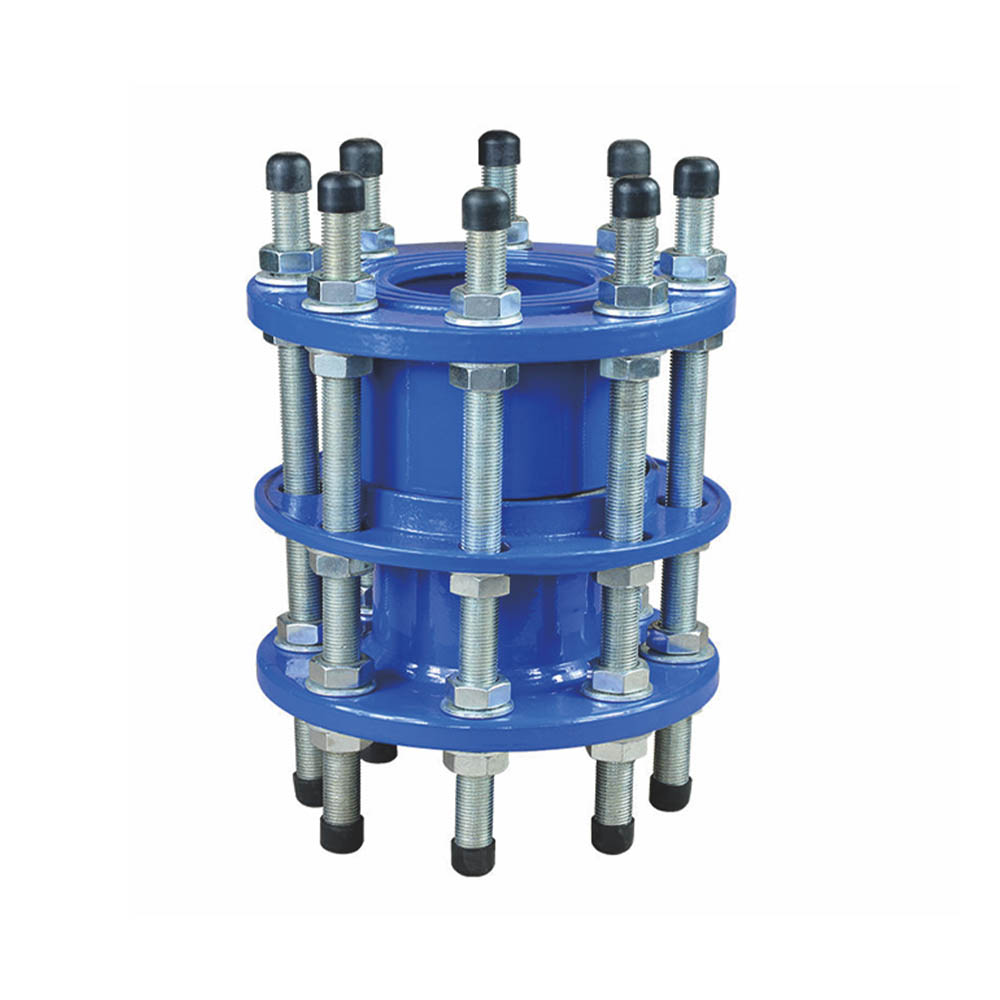
Conflex dismantling joints are designed for flanged water-pipeline systems where installers need axial adjustment and a practical way to remove valves, pumps, meters or other equipment later. The product sits between two flanges; its telescopic section is set to the available gap before the tie rods and sealing system are tightened.
The range includes ductile iron dismantling joints and fabricated steel VSSJA configurations. A flanged dismantling joint is selected by DN, pressure class, flange drilling, required adjustment, medium, temperature and the external loads that the pipework must control.
A double-flanged dismantling joint is not an expansion joint or a substitute for correctly designed anchors. The piping designer must define thrust restraint and support. Conflex uses the confirmed project data to identify the appropriate product configuration and prepare the quotation basis.
Available configurations
Representative dismantling joints models
These photographs come from the current Conflex product catalogue. Dimensions and availability are confirmed against each enquiry.
DI Dismantling Joint
Ductile iron configuration for flanged valves, meters and waterworks equipment.
View product details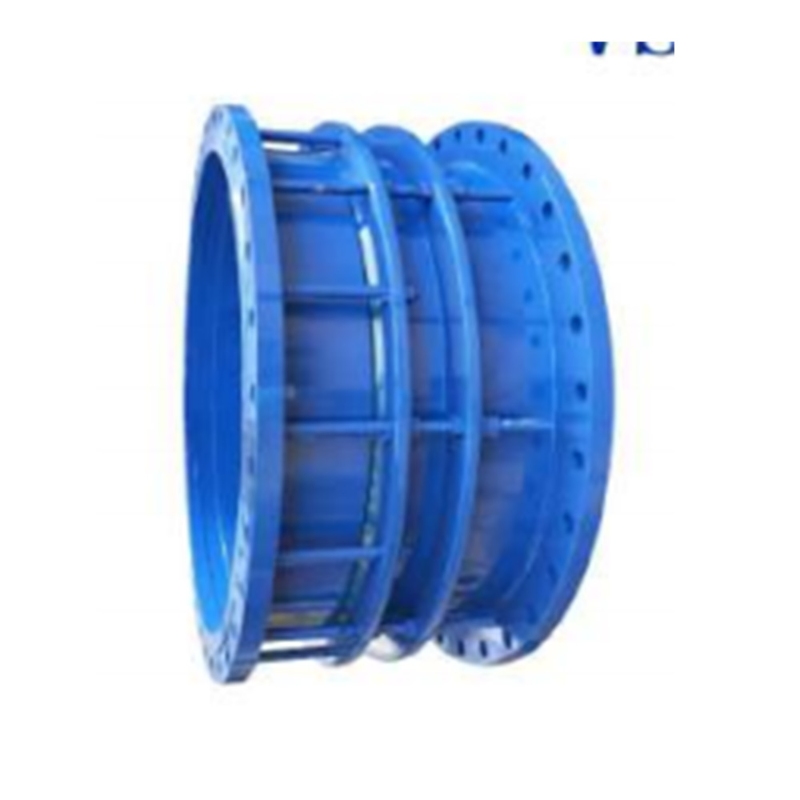
Steel Dismantling Joint VSSJA B2F
Fabricated steel option with tie rods for installation adjustment.
View product details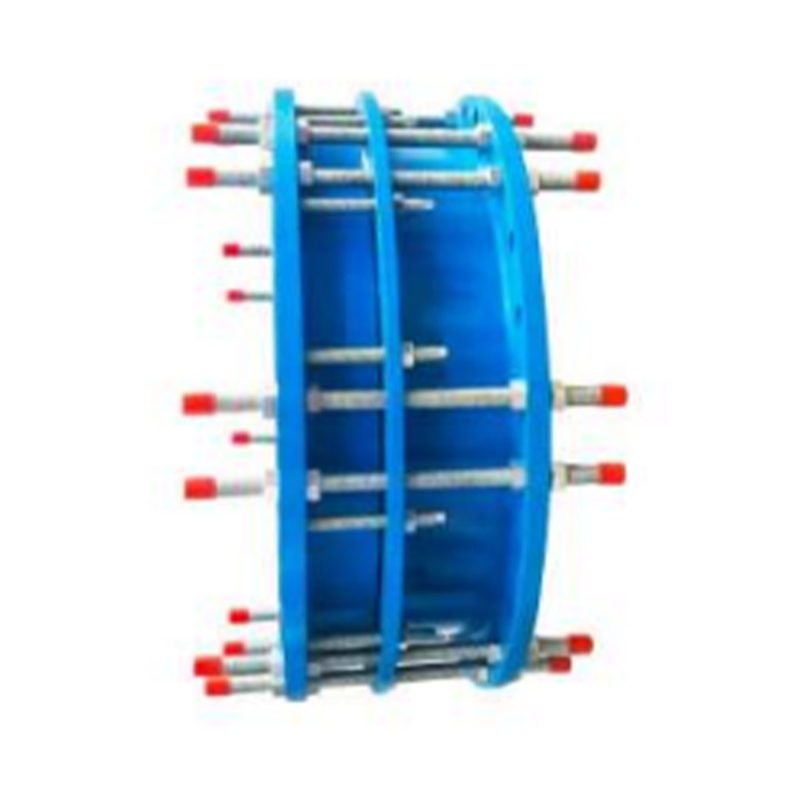
Steel Dismantling Joint VSSJA C2F
Double-flanged steel configuration for project-specific layouts.
View product detailsTechnical reference
Typical documented range
Values below summarize referenced catalogue models, not a blanket rating for every configuration. The approved drawing and quotation govern the supplied product.
- Reference size coverage
- DN50–DN2000 for the documented DI range; steel configurations vary
- Reference pressure classes
- PN10, PN16, PN25 and PN40 on the documented DI range
- Body options
- Ductile iron GGG50 or fabricated steel, depending on the ordered product
- Gasket options
- EPDM, SBR or NBR selected for the service medium
- Reference temperature
- -10°C to +70°C on the documented DI range
- Flange drilling
- EN 1092-2, EN 1092-1 or ANSI patterns by order
Typical applications
- Valve chambers
- Pump stations
- Flow-meter installations
- Treatment plants
Pipe and connection context
- Flanged valves
- Pumps
- Meters
- Other flanged equipment
Compatibility depends on the selected model, exact OD, pipe condition and confirmed operating duty.
Installation summary
Five checks before commissioning
This summary does not replace the approved model drawing, torque table, project method statement or safety procedure.
Read the installation guide- 1Inspect the shipment, verify all tie rods and check the product for transport damage.
- 2Confirm both mating flanges, drilling pattern and nominal pressure before positioning the joint.
- 3Loosen or remove the tie rods as required, place the joint between the flanges and connect both flange faces with the specified gaskets.
- 4Set the joint length, lubricate the sealing ring where instructed and tighten gland bolts evenly in an alternating sequence.
- 5Install and lock the tie rods to the design arrangement, apply the product-specific torque, then pressure-test and inspect for leakage.
RFQ checklist
Send these six inputs
If a value is unknown, send a drawing or site photo and mark it for review.
- 1Nominal diameter and actual mating dimensions
- 2Working pressure or PN
- 3Flange drilling standard
- 4Required axial adjustment
- 5Service medium and temperature
- 6Coating, gasket and fastener requirements
Frequently asked questions
Dismantling Joints FAQ
What is a dismantling joint used for?
It provides controlled axial adjustment during installation and creates a removable connection around flanged equipment such as valves, pumps and meters.
Which dimensions are needed for a dismantling joint quote?
Provide DN, mating-flange drilling, face-to-face installation gap, required adjustment, pressure class and a drawing of the surrounding equipment.
Can a dismantling joint absorb pipeline thrust?
Tie rods can limit movement, but thrust restraint, anchors and supports remain part of the piping design and must be confirmed by the project engineer.
Are ductile iron and steel dismantling joints available?
The documented range includes both ductile iron and fabricated steel configurations. Final availability and dimensions are confirmed against the enquiry.
Need a dimensional table or model review?
Include the size range, standard, quantity and destination in your enquiry.
Ready for technical review?