Product overview
Select by pipe data, operating duty and installation condition
Flexible pipe connection products are used around pumps, plant equipment and pipework where vibration, movement or installation tolerance must be managed. The Conflex range includes rubber expansion joints, stainless steel flexible pipes, stainless steel compensators and flange components.
A rubber expansion joint can provide axial, lateral and angular movement within its rated limits while helping isolate vibration. When a project schedule calls for a pipe expansion joint, confirm whether the duty requires rubber, a stainless steel compensator or another flexible connector; these products are not interchangeable.
Selection requires the connection size, flange drilling, pressure, temperature, medium, movement direction and magnitude, installed length, cycle expectation and anchor arrangement. External loads and misalignment must remain within the selected product’s limits.
Available configurations
Representative flexible pipe connection products models
These photographs come from the current Conflex product catalogue. Dimensions and availability are confirmed against each enquiry.
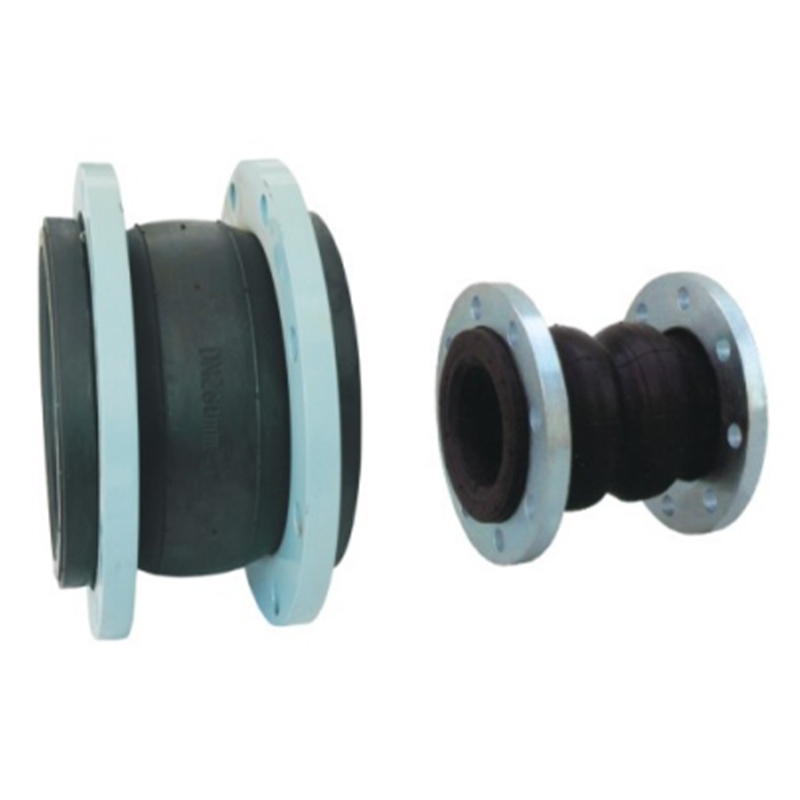
Rubber Expansion Joint
Fabric-reinforced rubber connector for compatible movement and vibration duties.
View product details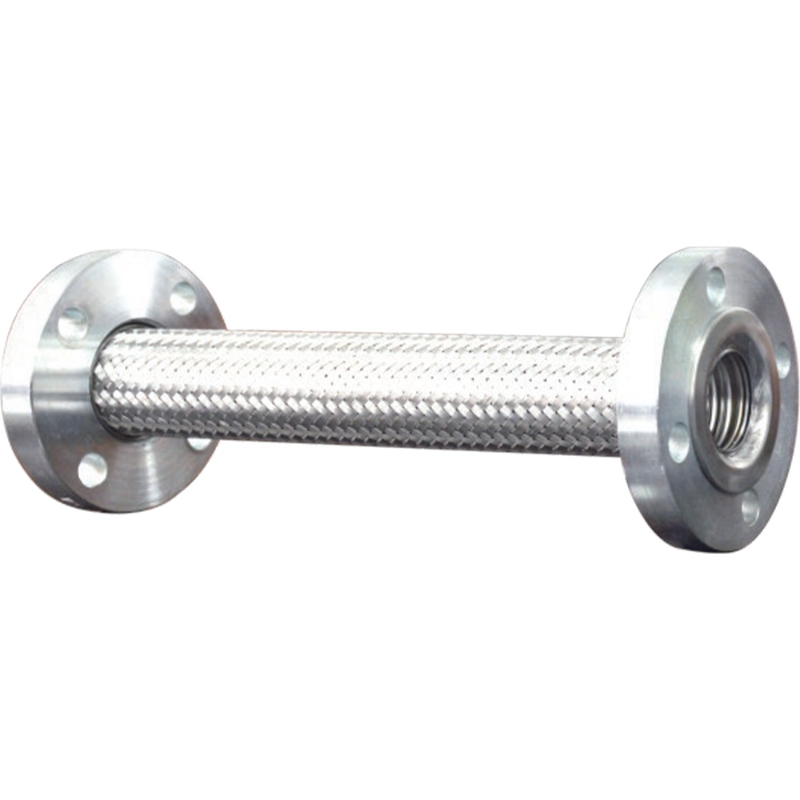
Stainless Steel Flexible Pipe
Braided flexible connection for product-specific pressure and medium conditions.
View product details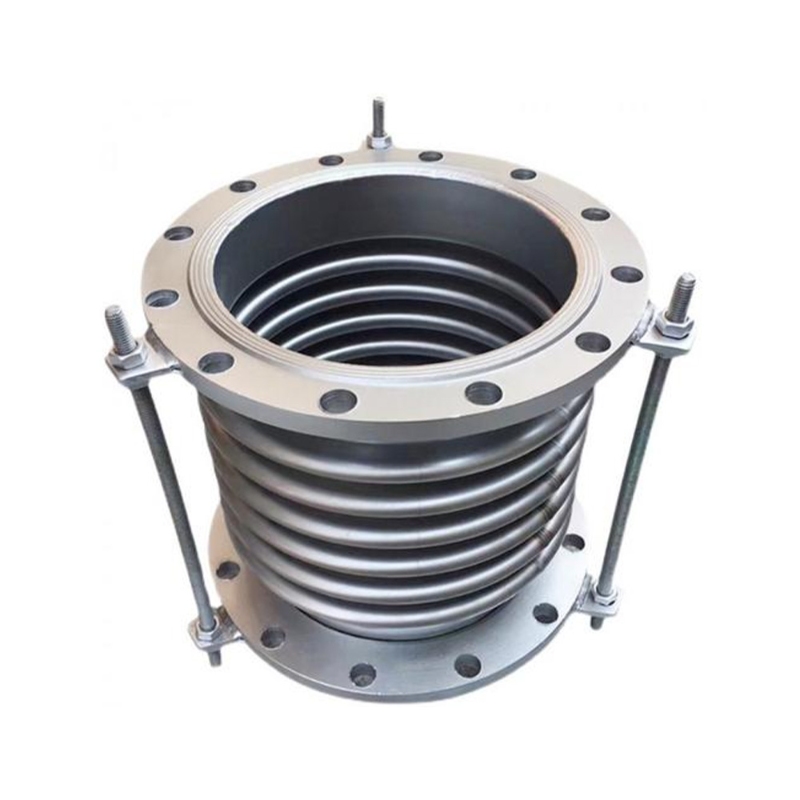
Stainless Steel Compensator
Metal bellows arrangement for engineered movement compensation.
View product details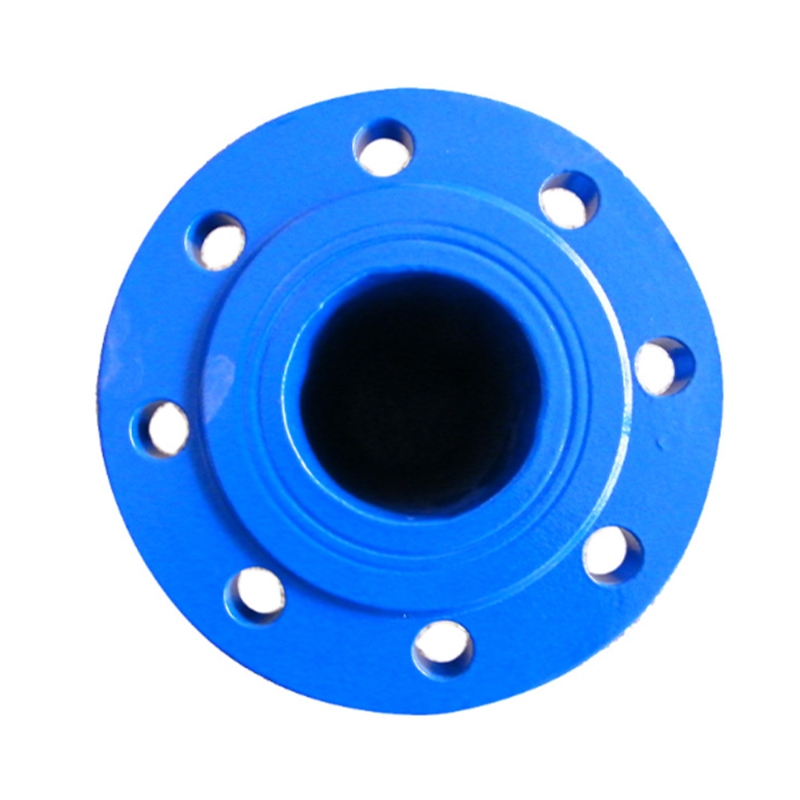
Ductile Iron Flat Flange
Flange component for compatible flexible-connection assemblies.
View product detailsTechnical reference
Typical documented range
Values below summarize referenced catalogue models, not a blanket rating for every configuration. The approved drawing and quotation govern the supplied product.
- Reference size coverage
- Rubber joint DN50–DN1400; compensator DN50–DN600; flexible pipe DN15–DN1000
- Reference pressure classes
- PN10, PN16 and PN25 on the documented rubber expansion-joint range
- Rubber joint materials
- Steel or DI flanges, EPDM body and nylon reinforcing cord on the documented rubber joint
- Reference temperature
- -15°C to +115°C on the documented rubber joint; medium dependent
- Reference angular movement
- 10–15° on the documented rubber joint
- Design inputs
- Movement, pressure, temperature, medium, cycle and anchor arrangement
Typical applications
- Pump connections
- Equipment isolation
- Pipeline movement
- Plant-room installations
Pipe and connection context
- Flanged pipework
- Pumps and equipment
- Water and selected industrial services
- Project-specific connection arrangements
Compatibility depends on the selected model, exact OD, pipe condition and confirmed operating duty.
Installation summary
Five checks before commissioning
This summary does not replace the approved model drawing, torque table, project method statement or safety procedure.
Read the installation guide- 1Confirm product type, rated movement, face-to-face length, pressure, temperature and chemical compatibility.
- 2Check that guides, anchors and supports match the piping design before connecting the flexible element.
- 3Align mating flanges without forcing the product to correct excessive offset or rotation.
- 4Install compatible gaskets and tighten flange bolts evenly; do not twist, over-compress or pre-extend the element.
- 5Inspect clearance through the full movement envelope and monitor the connection during controlled commissioning.
RFQ checklist
Send these six inputs
If a value is unknown, send a drawing or site photo and mark it for review.
- 1Connection size and flange drilling
- 2Movement type and magnitude
- 3Working pressure
- 4Medium and temperature
- 5Installation length
- 6External loads and anchoring arrangement
Frequently asked questions
Flexible Connections FAQ
Is a rubber expansion joint the same as a dismantling joint?
No. A rubber expansion joint manages rated movement and vibration. A dismantling joint primarily provides installation adjustment and equipment-removal access.
What movement data is required?
State axial compression and extension, lateral movement, angular movement, movement cycles and whether movements occur together.
Why are anchors and guides important?
Pressure thrust and pipe movement must be controlled by the designed piping system. A flexible connector cannot replace required anchors or supports.
How is the elastomer selected?
The service medium, temperature and regulatory requirements determine whether EPDM or another compatible elastomer is appropriate.
Need a dimensional table or model review?
Include the size range, standard, quantity and destination in your enquiry.
Ready for technical review?