Product overview
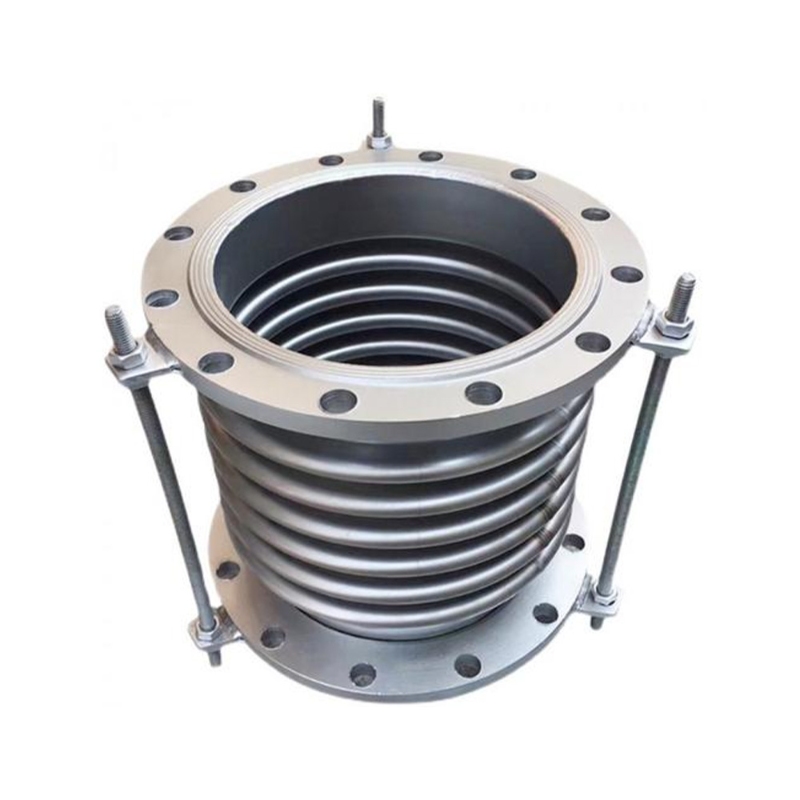
Stainless Steel Compensator
This metallic compensator is used when the system requires a defined movement function under pressure and temperature. The bellows arrangement cannot be chosen safely without the movement case, cycle requirement and piping restraint design.
Metal bellows arrangement for engineered movement compensation.
Technical reference
Technical basis for Stainless Steel Compensator
Reference family coverage DN50–DN600. Project-specific pressure, temperature, movement and cycle rating. Use these points to identify the right drawing—not as a universal rating for every configuration.
- Connection
- Metal bellows compensator with project-selected flanged ends
- Material basis
- Stainless steel flexible element with metal end connections
- Reference range
- Reference family coverage DN50–DN600
- Pressure / duty
- Project-specific pressure, temperature, movement and cycle rating
Selection focus
Four checks for this stainless steel pipe compensator
- 1Provide axial, lateral and angular movement values and combinations.
- 2State pressure, temperature, medium and required cycle life.
- 3Confirm face-to-face length, flange drilling and installation orientation.
- 4Submit anchor, guide and support calculations or layout.
Installation notes for Stainless Steel Compensator
- A compensator cannot replace required anchors and guides.
- Protect the bellows from mechanical damage and welding spatter.
- Do not pre-compress or extend outside the approved cold setting.
Choosing Stainless Steel Compensator
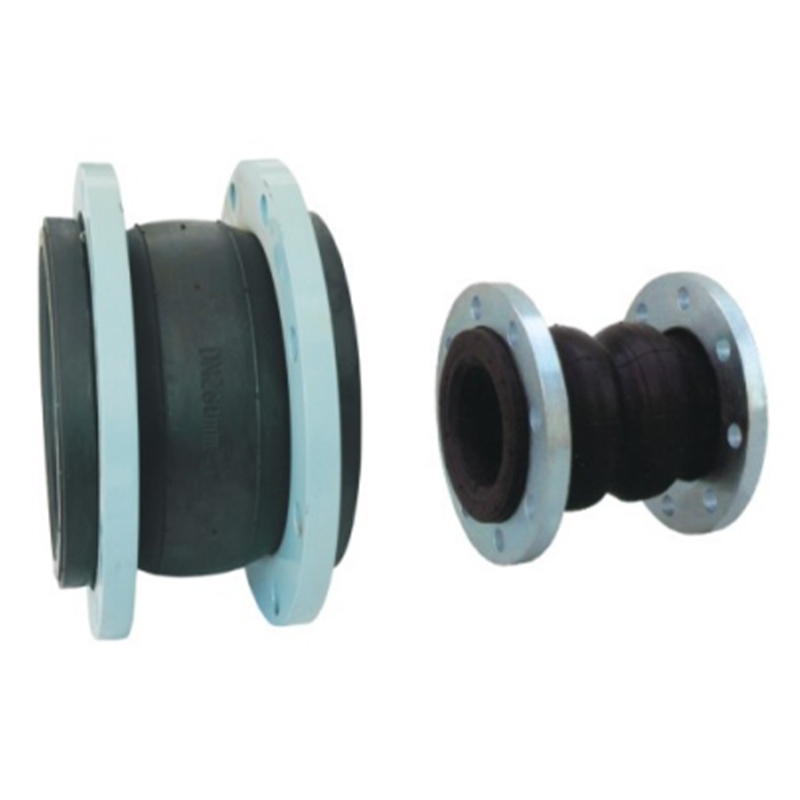
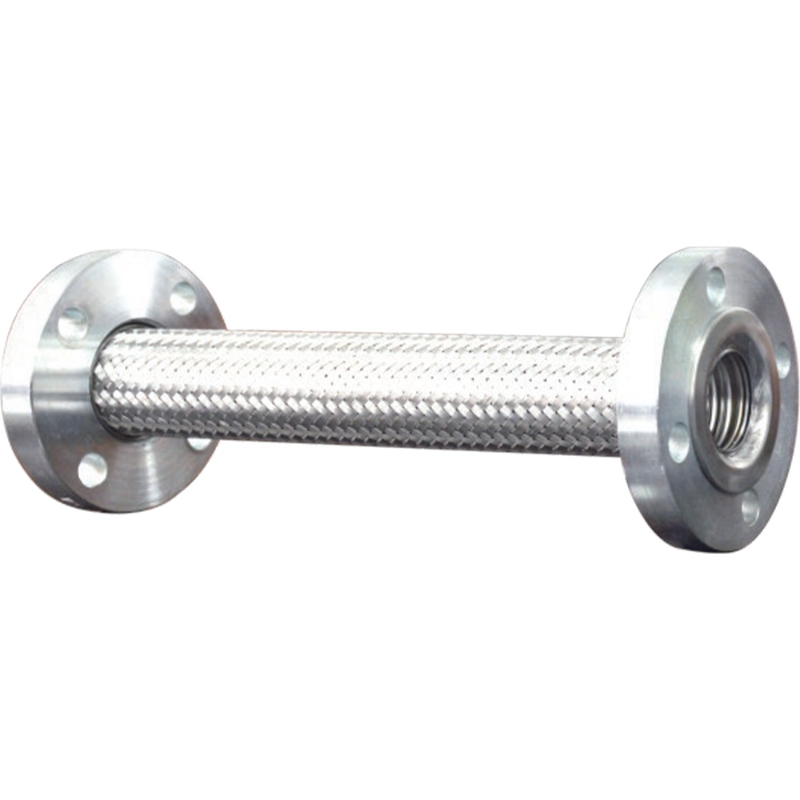
Select a compensator from calculated movement and cycle data, not from DN alone. Compare stainless flexible pipe for hose-style routing and vibration, and rubber expansion joints when elastomer compatibility and broader flexible movement fit the duty.
Compare all flexible connectionsCompare configurations
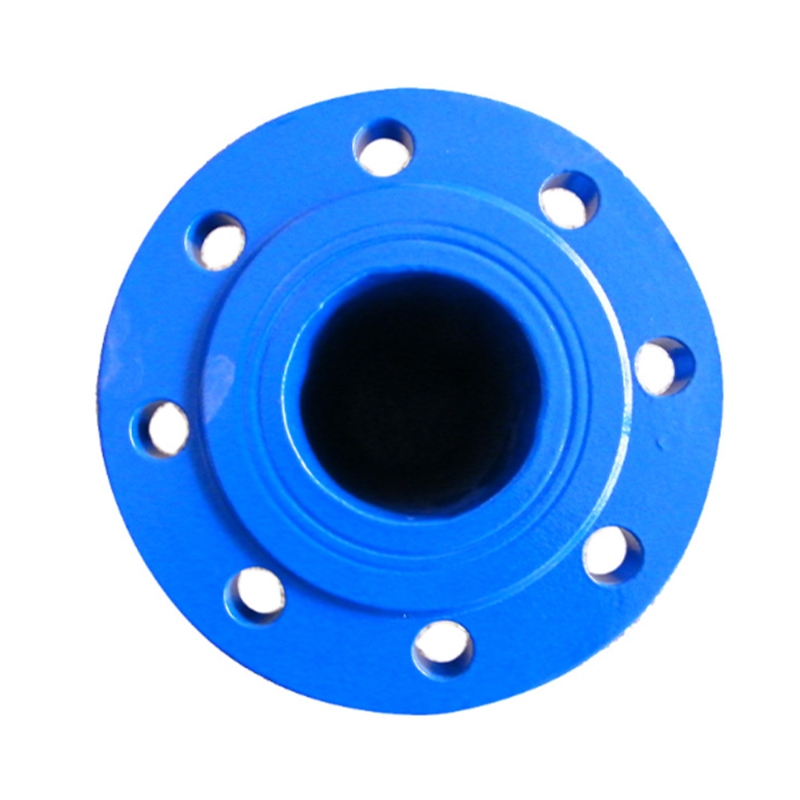
Related flexible connections
Frequently asked questions
Stainless Steel Compensator FAQ
Why is movement calculation required for a stainless steel compensator?
Bellows stress depends on axial, lateral and angular movement, their combination and the number of cycles. Supplying only the nominal diameter does not define a safe compensator duty.
What piping layout documents should accompany a compensator enquiry?
Provide the line layout with anchors, guides, supports, movement direction, installed length and flange orientation. Add the pressure, temperature, medium and required cycle life.
How should metallic bellows be protected on site?
Keep the bellows free from impact, dirt, chloride contamination and welding spatter. Do not pre-compress, extend or offset the assembly beyond the approved cold setting.
Ready for technical review?