Product overview
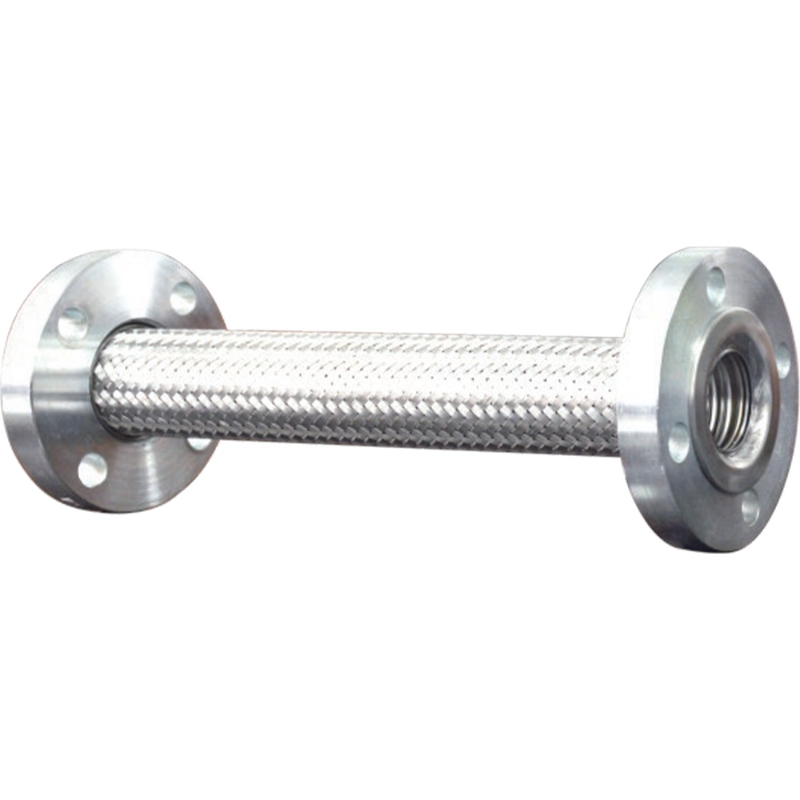
Stainless Steel Flexible Pipe
The stainless steel flexible pipe is considered where a metallic flexible connection is preferred for the confirmed medium and movement. Hose geometry, braid, end connection and motion pattern must be defined for the application.
Braided flexible connection for product-specific pressure and medium conditions.
Technical reference
Technical basis for Stainless Steel Flexible Pipe
Reference family coverage DN15–DN1000. Pressure and temperature are configuration and medium dependent. Use these points to identify the right drawing—not as a universal rating for every configuration.
- Connection
- Flexible metallic pipe with project-selected end connections
- Material basis
- Stainless steel flexible element; exact grade and braid by duty
- Reference range
- Reference family coverage DN15–DN1000
- Pressure / duty
- Pressure and temperature are configuration and medium dependent
Selection focus
Four checks for this stainless steel flexible pipe connector
- 1Identify medium, pressure, temperature and corrosion environment.
- 2State movement direction, amplitude, frequency and number of cycles.
- 3Specify end connection, installed length and minimum bend condition.
- 4Provide external loads and support details.
Installation notes for Stainless Steel Flexible Pipe
- Avoid torsion unless the ordered assembly explicitly permits it.
- Keep the installed bend within the approved radius.
- Support connected equipment so the flexible pipe does not carry dead load.
Choosing Stainless Steel Flexible Pipe
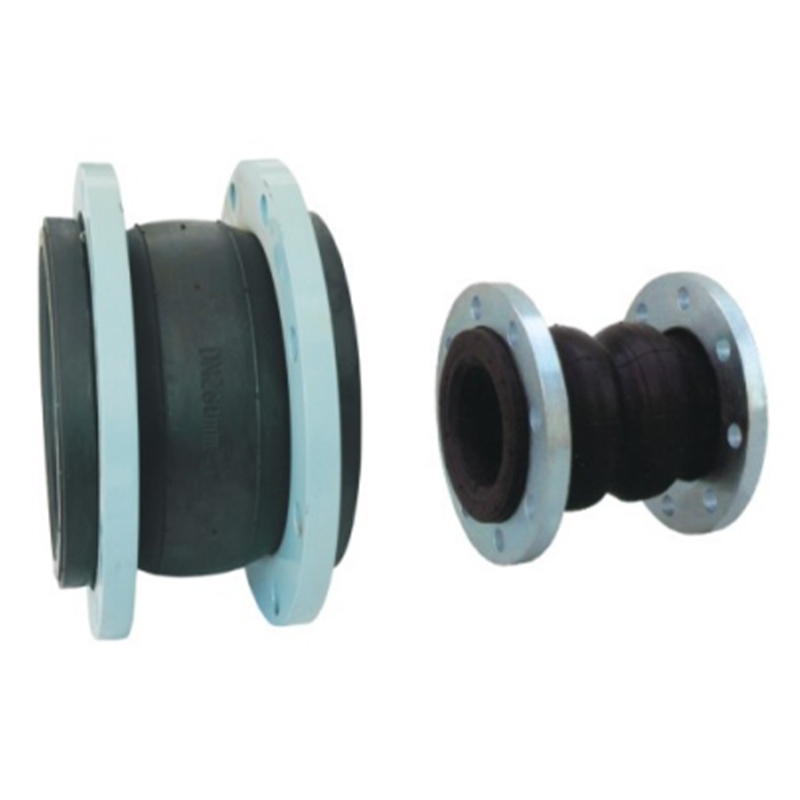
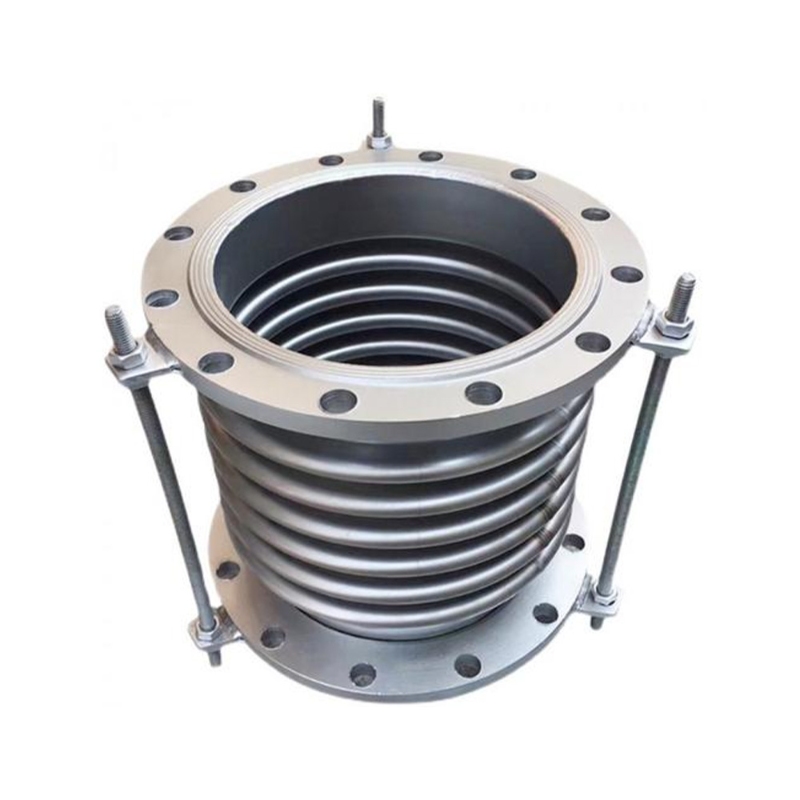
Use flexible pipe where routing, repeated vibration or a defined bend can be handled by a hose-type assembly. A compensator is usually the better comparison for controlled axial pipeline movement; rubber suits compatible water duties needing elastomeric vibration isolation.
Compare all flexible connectionsCompare configurations
Related flexible connections
Frequently asked questions
Stainless Steel Flexible Pipe FAQ
What movement information is needed for stainless steel flexible pipe?
Describe the movement direction, amplitude, frequency and expected number of cycles. Include pressure, temperature, medium, installed length, end connections and the proposed bend arrangement.
How can torsion damage be prevented during installation?
Align the end connections and prevent the hose from twisting while bolts or threaded fittings are tightened. Route the assembly in its intended plane and use supports that do not force torsional movement.
Can flexible pipe carry the weight of connected equipment?
No. Pumps, valves and rigid pipework require independent support. The flexible section should accommodate only the approved movement and vibration duty within its permitted bend radius.
Ready for technical review?