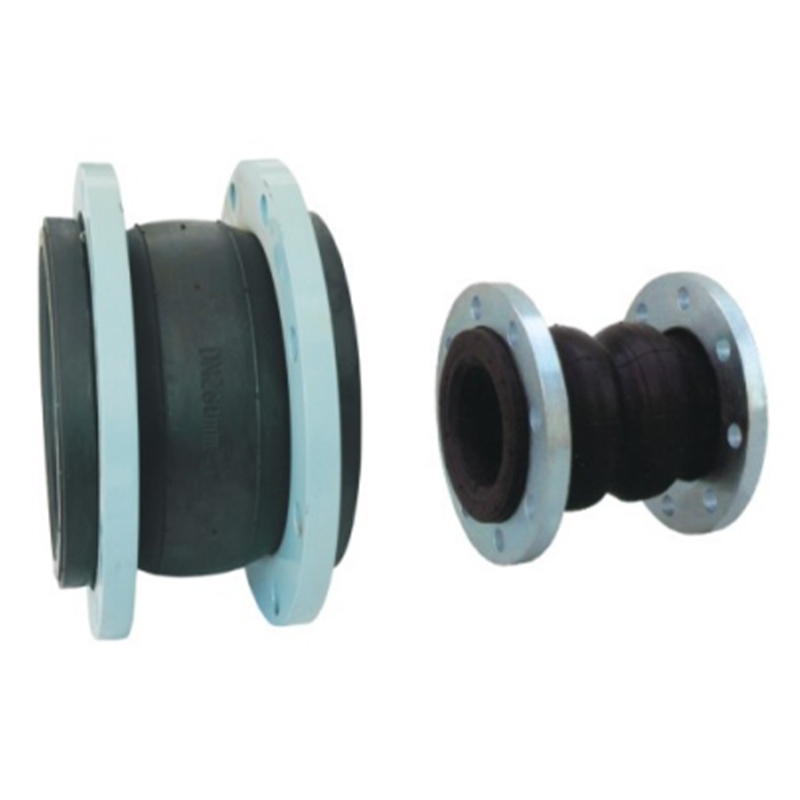
Product overview
Rubber Expansion Joint
The rubber expansion joint is selected from movement, pressure, temperature, medium and flange data together. It is typically placed around pumps or equipment only after anchors, guides and pressure thrust have been designed.
Fabric-reinforced rubber connector for compatible movement and vibration duties.
Technical reference
Technical basis for Rubber Expansion Joint
Reference size coverage DN50–DN1400. Reference PN10, PN16 and PN25; documented temperature -15°C to +115°C. Use these points to identify the right drawing—not as a universal rating for every configuration.
- Connection
- Flanged flexible rubber body
- Material basis
- Reinforced rubber element with metal flanges; elastomer and flange material by duty
- Reference range
- Reference size coverage DN50–DN1400
- Pressure / duty
- Reference PN10, PN16 and PN25; documented temperature -15°C to +115°C
Selection focus
Four checks for this rubber expansion joint for water pipe
- 1State axial, lateral and angular movement separately.
- 2Provide pressure, temperature, medium and movement-cycle information.
- 3Confirm flange drilling, face-to-face length and installation gap.
- 4Send the anchor, guide and support arrangement for review.
Installation notes for Rubber Expansion Joint
- Do not stretch the element to make up an excessive pipe gap.
- Do not use the joint to correct major flange misalignment.
- Pressure thrust must be controlled by the piping system.
Choosing Rubber Expansion Joint
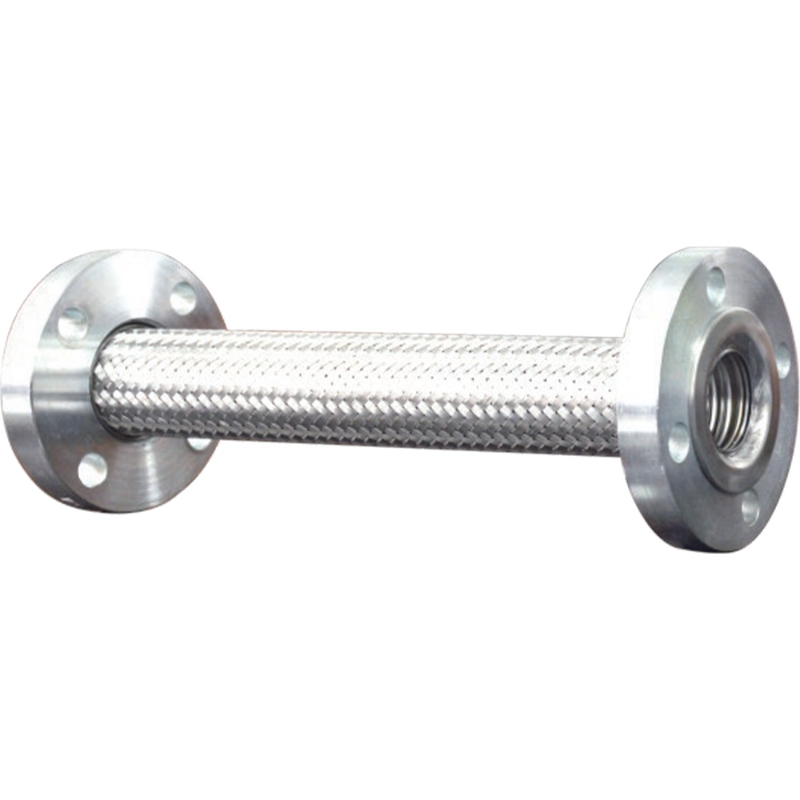
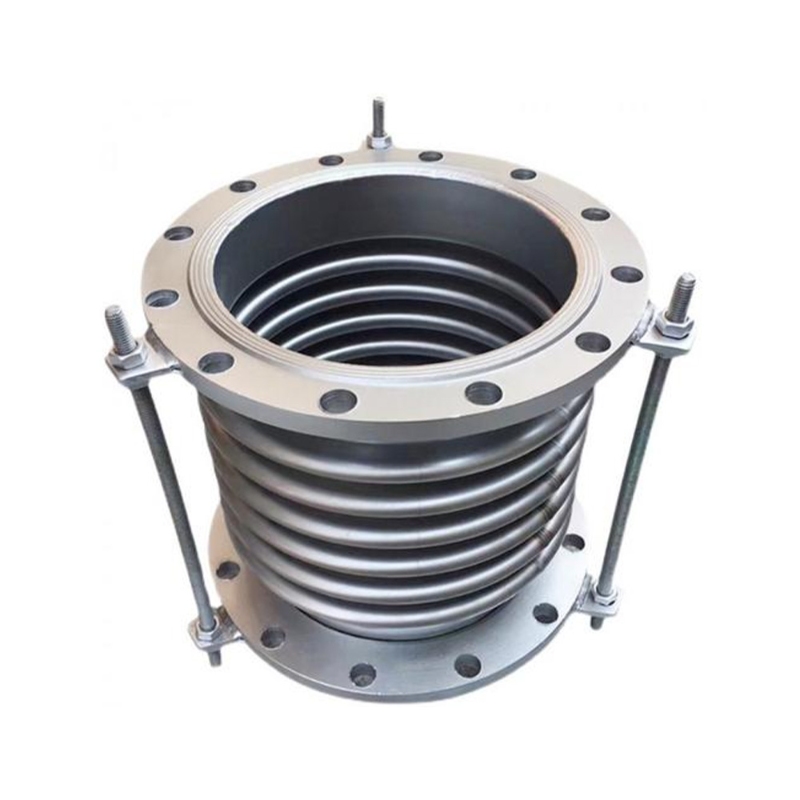
Choose rubber when vibration isolation and multi-directional flexibility suit the medium and temperature. Compare a stainless steel compensator for engineered metallic bellows movement, or a flexible metal pipe where hose routing and bend geometry define the connection.
Compare all flexible connectionsCompare configurations
Related flexible connections
Frequently asked questions
Rubber Expansion Joint FAQ
Which service data controls rubber expansion joint selection?
Provide the medium, concentration where relevant, temperature, working and test pressure, movement values and expected cycle conditions. Elastomer and reinforcement compatibility must be checked against the complete duty.
Can a rubber expansion joint correct major pipe misalignment?
No. Align and support the mating flanges before installation. Use only the permitted axial, lateral and angular movement within the approved design envelope.
Why are anchors and control arrangements important around a rubber joint?
Internal pressure creates forces that the flexible element should not carry without the intended restraint system. Anchors, guides, supports and any control rods must follow the piping design.
Ready for technical review?